Why a Shingling Hammer Is Ideal for Roofing Work
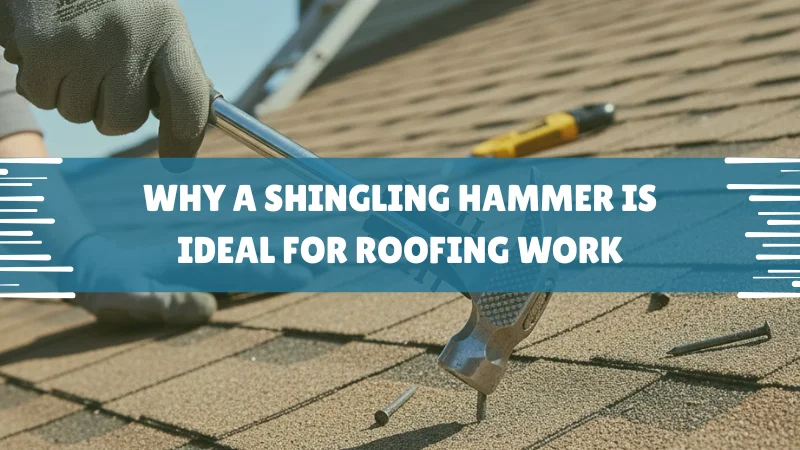
Roofers grab a shingling hammer because it deals directly with shingles. You can lay them down and nail them in place without switching tools constantly. This efficiency is a core reason why a shingling hammer is ideal for roofing work; it perfectly matches asphalt shingles, the kind on so many houses, making it the logical choice for everyday jobs.
People choose this hammer since it packs multiple uses into one piece. You cut and nail all with the same thing, cutting down on time up there. Plus, the shape helps avoid slip-ups when putting everything together. In turn, your roof ends up tighter.
A shingling hammer shines when you need to trim and drive nails fast. Workers get through more in less time because of that. It also builds a roof that holds up better in bad weather. Overall, it’s a solid pick for the trade.
What Makes a Shingling Hammer Different?
This hammer stands apart with its head built just for the task. One end flattens nails in, and the other slices through material sharply. That means it works great on roof stuff. Regular ones can’t match that mix.
Those basic hammers miss out on the two-in-one deal, so things drag on. But a shingling hammer picks up the pace nicely. It even throws in a measuring bit sometimes. You end up with cleaner results.
Unlike all-purpose tools, this one zeros in on shingles. It cuts back on scratches or breaks to the surface. The job turns safer for whoever’s holding it. In the end, that’s a big plus.
Key Features That Set Shingling Hammers Apart
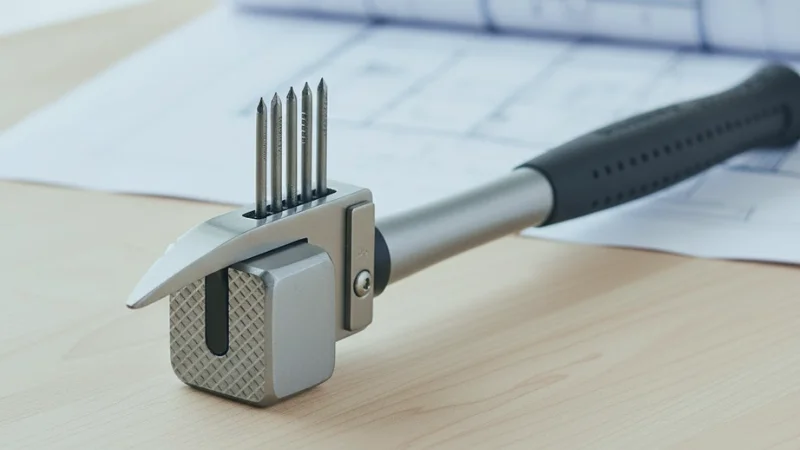
These hammers come with special bits not found on standard types. They might have tools right on them for exact work. Roofing gets easier because of that. Models vary, but the extras help a lot.
Workers count on them for regular shifts. The strong make handles rough days well. You notice how they handle and last. Picking one leads to solid outcomes every time.
They fit different kinds, too. Some adjust for what you’re doing. That flexibility matters on varied sites. It all adds up to a better tool.
Built-In Shingle Gauge
The gauge on the hammer checks how shingles overlap. It keeps spaces even across the board. Leaks stay away when placement is right. That’s key for a dry house.
You set it to the shingle thickness you have. The roof comes out even and is working fine. Roofers like this for steady results. It beats guessing each time.
Measuring by hand takes forever without it. But the gauge speeds you along. Errors drop, especially on sloped areas. Work feels more reliable.
Magnetic Nail Holder
Magnets hold nails firmly before you swing. Your other hand stays free for steadying yourself. Wind doesn’t mess things up as much. It’s a small thing that helps big.
Stick the nail right on there quickly. Driving starts smoothly from the get-go. Drops happen less often. Frustration goes down on the job.
Up high, it adds a layer of safety. You keep your eyes on the task. Workers can concentrate better. The holder just makes sense.
Dual Head for Cutting and Nailing
One side cuts shingles clean, the other nails them down. No need to grab something else mid-way. The whole thing moves faster. It’s built for the flow.
The cutting part acts like a small axe for edges. The nailing end pulls out mistakes, too. Multiple roles in one hammer. Roof repair in Long Island go quickly during fixes.
Roofers lean on this for getting stuff done. The area stays tidy without extra gear. Efficiency climbs right up. It’s practical all around.
Ergonomic, Lightweight Design
Handles shape to your grip for comfort over hours. The strain eases off your wrist and arm. Carrying it around feels light. The body uses materials that keep weight low.
Injuries drop with this setup. Vibrations get soaked up in the hold. You tire more quickly on long days. It’s made for arms overhead.
Fiberglass adds toughness without bulk. Control stays sharp in use. The design pays off in real work. You handle it better.
Durable Construction and Shock Absorption
Materials stand up to constant banging. The hammer sticks around for seasons. Joints get shielded from hard hits. Steel in the head takes punishment.
It won’t warp from regular knocks. Reliability holds steady. Replacements come less often. The weather doesn’t wear it down fast.
Performance keeps going strong. Shock parts guard your body. This build fits tough sites. It’s worth the pick.
How These Features Improve Roofing Work
The gauge lines up shingles just right. Roofs handle water better over time. Fixes cost less down the line. It’s a smart addition.
Nailing picks up speed with the magnet. Jobs wrap sooner than before. Safety climbs on high spots. You feel more secure.
Heads let you flip between cuts and nails easily. The rhythm stays good. Parts for comfort cut fatigue. Work days improve.
Comparing a Shingling Hammer to Other Roofing Tools
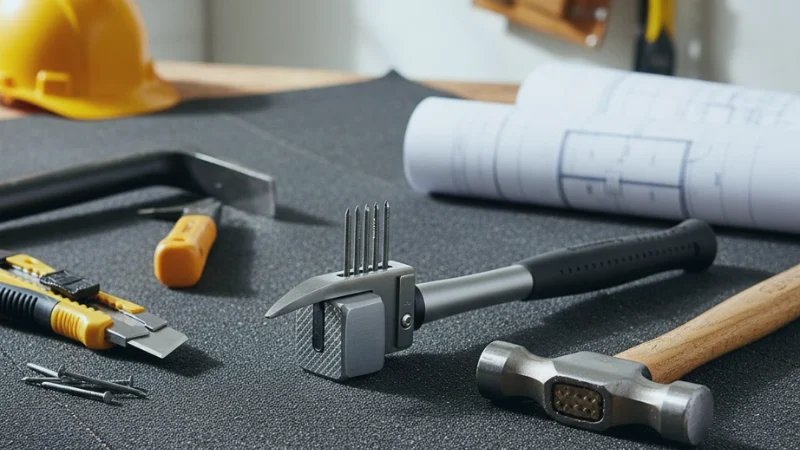
For shingles, this hammer tops a plain claw type. The claw misses the slice option. You end up needing more stuff. It’s not as handy.
Next to hatchets for roofs, it brings better nail aim. Versatility goes up. Gauges show up more here, too. Hatchets often skip that.
Pneumatic nail guns need plugs or air. This hammer runs anywhere without. Maintenance stays cheap. Remote areas suit it well.
Types of Shingling Hammers
Different types suit various roofing needs. For instance, some focus on basic functions. So, pick based on the job. Materials vary between types. Therefore, durability changes. Also, features differ.
You find options for specific shingles. As a result, performance improves. Moreover, prices range accordingly.
Traditional Shingling Hammer
A traditional shingling hammer uses wood handles. So, it feels familiar to many. Besides, the head is steel for strength. This type works for basic asphalt jobs. For example, it nails and cuts well. Thus, beginners like it. It lacks modern extras. However, it’s affordable. And it gets the job done.
Modern/Magnetic Shingling Hammer
Modern versions add magnetic holders. Therefore, nailing is easier. Also, handles are rubber for grip. These include gauges, too. As a result, accuracy rises. Plus, they weigh less. Users prefer them for daily work. For instance, in bad weather, they help. So, efficiency grows
Slate Hammer
A slate hammer targets slate roofs. So, its pointed head pierces slate. Moreover, it includes a punch for holes. This type differs from the asphalt ones. For example, it’s heavier for tough materials. Thus, it suits specialized jobs. It offers precision for natural slate. Therefore, repairs are clean. And it lasts in stone work.
How to Choose the Right Shingling Hammer
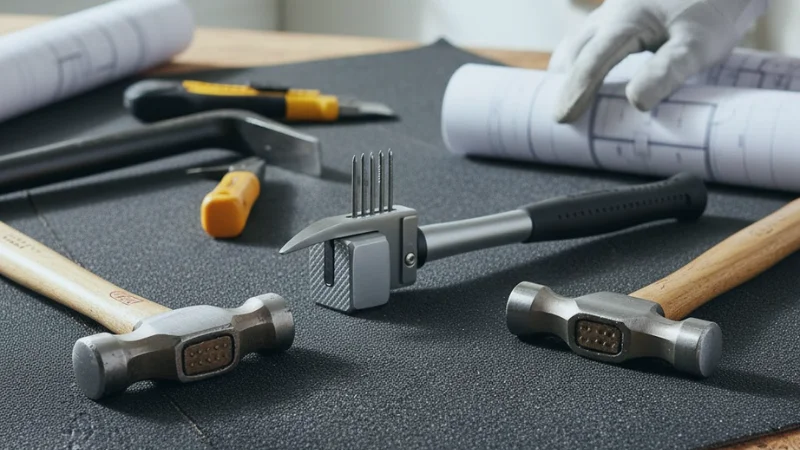
When picking a shingling hammer, first consider the roofs you deal with regularly. For asphalt shingles, go for one with a gauge to measure overlaps quickly. So, it lines up with what you need on site. This match cuts down on guesswork.
Head to a store and grab a few to test the feel. The handle needs to sit right in your palm without slipping. Besides, lighter ones help if you work long shifts. As a result, your arms don’t ache by midday.
Pay attention to how it’s made overall. Hammers with steel heads take beatings better over time. Therefore, check brands that roofers trust from their stories. Plus, this choice means fewer buys later on.
Extra bits can make a big difference, too. For instance, magnets hold nails steady on tricky angles. Moreover, the rubber on the grip stops drops in the rain. So, think about what eases your routine.
Simple Maintenance Tips for Longer Tool Life
Right after a job, grab a cloth to wipe away sticky tar or grime. Water helps loosen it without much scrubbing. Therefore, the blade stays sharp for cuts. Your hammer thanks you next time out.
Find a dry corner in your garage or van for storage. Rust sneaks in from wet spots easily. So, use a hook to keep it off the ground. As a result, metal parts hold strong through seasons. Every few weeks, dab oil on spots that move, like the nail catcher. A file keeps the edge keen for slicing shingles. Besides, this quick step avoids dull tools mid-task. Thus, work stays smooth.
Look over for any wobbly bits while cleaning up. Screw them tight before they loosen more. Moreover, swap out cracked handles early on. So, small fixes stop major breakdowns down the road.
Final Thoughts On Why a Shingling Hammer Is Ideal for Roofing Work?
Picking the best shingling hammer changes how you handle roofing days. It fits your hand just right and tackles shingles without fuss. Therefore, jobs wrap up cleaner and quicker. Plus, it builds roofs that stand up to storms.
Roofers often swear by their main hammer after years together. Keep up with easy cleaning and checks. As a result, it serves you well without failing. Besides, smart picks save cash in the long run.
Wrap up by matching the hammer to your usual work. For example, add features that solve common hassles. So, everything clicks for solid outcomes. Moreover, good tools lead to safer climbs, too.