
Is Roof Repair a Capital Improvement?
The question that people usually ask themselves is “Is roof repair a capital improvement” when it comes to tax considerations. Capital improvements do not include simple roof repairs in most instances. But, when the work is more than just some basic roofing repairs Long Island and value added to the property, then it may. Then, we can divide this step by step according to the general rules.
What Counts as a Capital Improvement?
Capital improvement is a lasting value added to a property or a property that is made to work over time. As an illustration, it may rehabilitate something significant or alter the utilization of the space. The IRS considers the fixation of a large issue, replacement of a major component, or adaptation of the building to something new. It is due to this that small touch-ups are not often successful.
Capital additions are added to the property cost basis. This implies that you depreciate the tax benefits over the years. However, routine maintenance remains an immediate expense that you can deduct instantly. And that is the primary difference to consider.
Roof Repair vs. Roof Replacement
Roof repair refers to the process of repairing certain damages in order to maintain things as they are. An example is that you may seal a leak or fix some missing shingles following a storm. Roof replacement however is the process of removing the old roof and replacing it with a new one. Therefore, even though repair preserves the status quo, replacement tends to increase the strength or efficiency of the roof.
In tax terms, repairs deduct in the year you pay for them. But replacements usually count as improvements because they extend the roof’s life significantly. If the job started as a repair but turned into a full swap due to major issues, then it shifts categories. And that can change how you handle the costs.
Many homeowners mix these up at first. Yet, the scale of the work decides the label. When you replace the whole roof, it adds to the property’s value more than a quick fix does.
IRS Guidelines and Tax Implications
The IRS sets clear rules on this in their publications. They say capital expenses improve the property and must be depreciated over time, often 27.5 years for homes you rent out. So, if your roof work qualifies, you deduct a portion each year instead of all at once.
For tax purposes, this affects your income reports. Repairs lower your taxes that same year as deductions. However, improvements like a new roof adjust your property’s basis, which helps when you sell later.
Business owners and landlords need to track this carefully. Because wrong classification could lead to audit issues. Always check Publication 527 for details on residential rentals.
When Roof Work Qualifies as a Capital Improvement
Sometimes roof jobs cross into improvement territory. It depends on the scope and purpose. If the work makes the roof much better than before, then the IRS views it as capital.
Major replacements or upgrades
Replacing the entire roof with new materials counts here. For example, switching from old shingles to metal adds durability. So, you capitalize the cost and depreciate it.
If the job covers over 40% of the roof, it often qualifies too. But small sections don’t. And upgrading to energy-efficient options strengthens the case.
Extending the roof’s useful life
Work that makes the roof last longer beyond normal wear fits this. Like adding better underlayment or ventilation systems. Therefore, these extend the life and become improvements.
If you use higher-quality materials than the original, it counts. However, just matching the old setup might not. So, think about how much extra time it adds.
Structural changes or additions
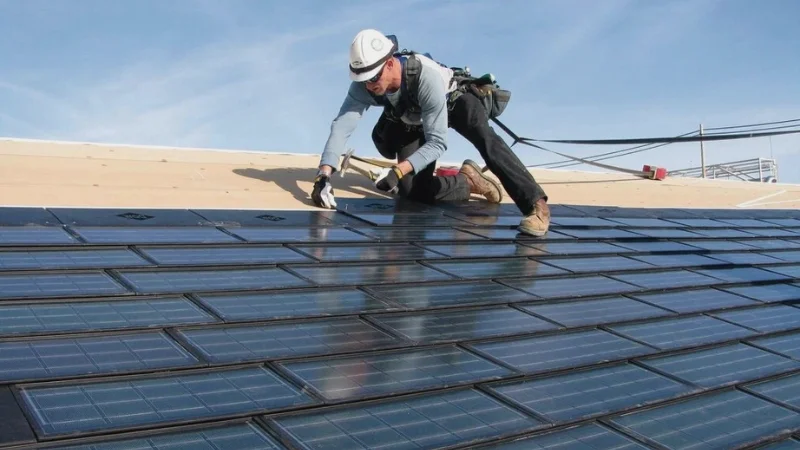
Adding features like skylights or solar panels changes the structure. This adapts the roof to new uses, so it’s capital. For instance, reinforcing for heavy equipment qualifies too.
When you expand the roof area, like for an addition, it fits here. But minor tweaks don’t. And these changes increase overall property value.
When Roof Work is Just a Repair
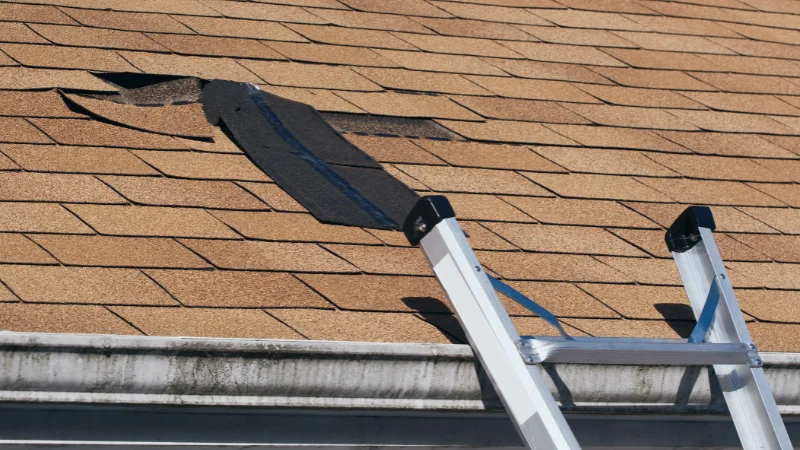
Roof work stays a repair if it only fixes damage without upgrading. Like sealing cracks or replacing damaged tiles from weather. So, you deduct these costs right away as expenses.
If the job brings the roof back to its prior state, it’s not capital. For example, patching after a tree branch falls. However, if it turns into a bigger project, recheck the rules.
Many fixes happen due to sudden events. And those keep the label as repairs. But watch the total cost and extent.
Why the Classification Matters for Homeowners & Businesses
Getting this right impacts your taxes a lot. Homeowners might miss deductions if they mix it up. For businesses, especially with rentals, it affects yearly income reports.
If you classify as repair, you save taxes now. But as improvement, you spread savings over years via depreciation. So, it helps plan cash flow better.
Landlords use this to lower taxable rent income. And when selling, a higher basis from improvements cuts capital gains tax. Therefore, accurate records prove essential.
Final Thoughts On is roof repair a capital improvement
Roof repair usually isn’t a capital improvement unless it’s extensive. Always look at IRS rules to decide. If unsure, talk to a tax expert. That way, you handle your property costs correctly.